Categories
Annual Neotibicen Tibicen Video

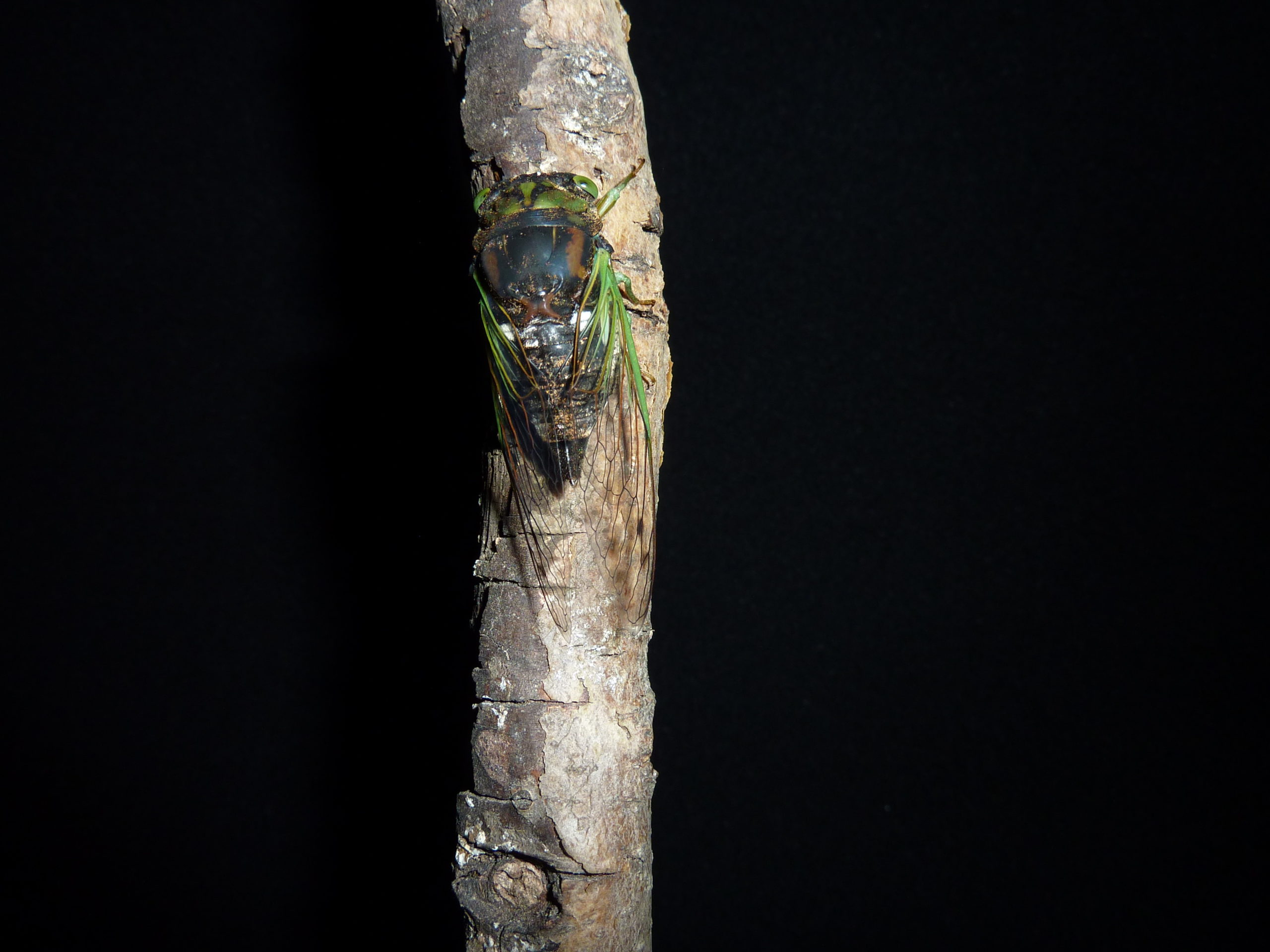
A Neotibicen tibicen (chloromera) singing

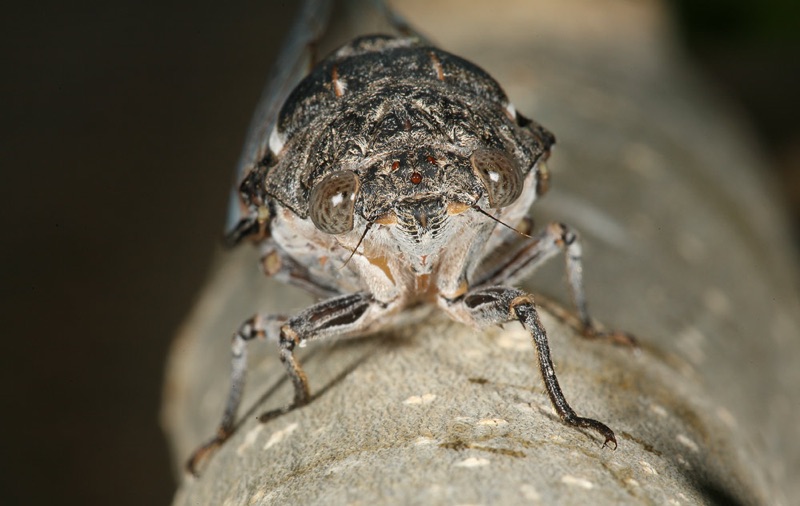
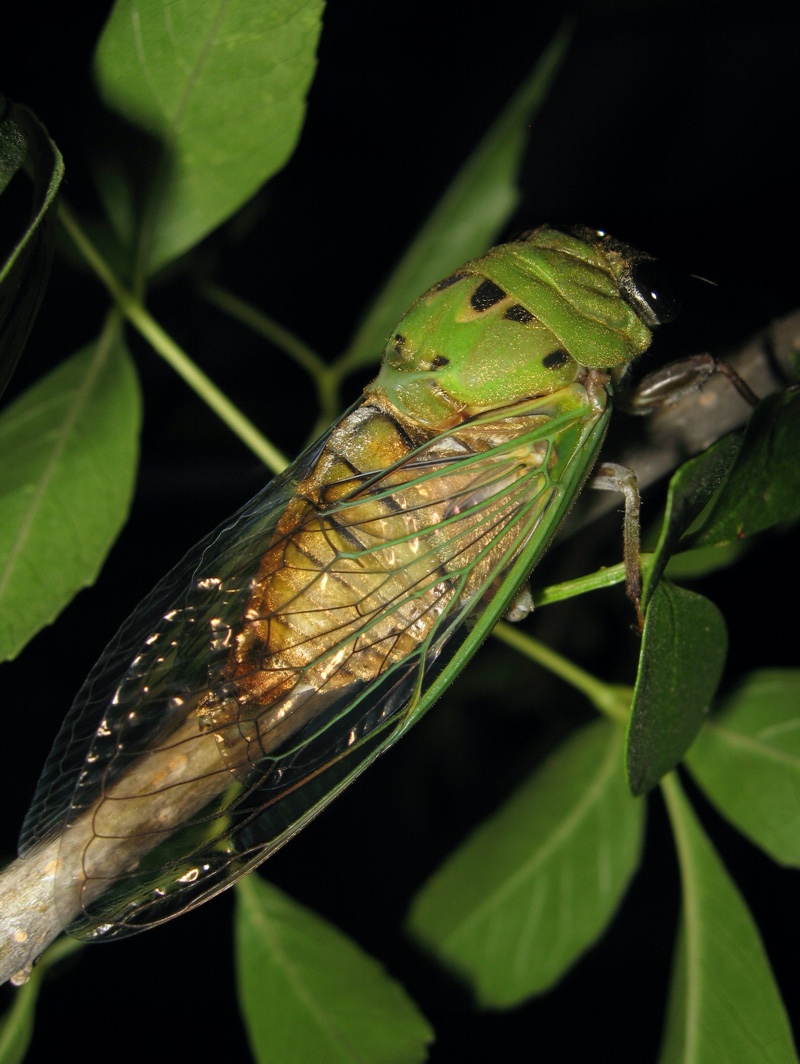
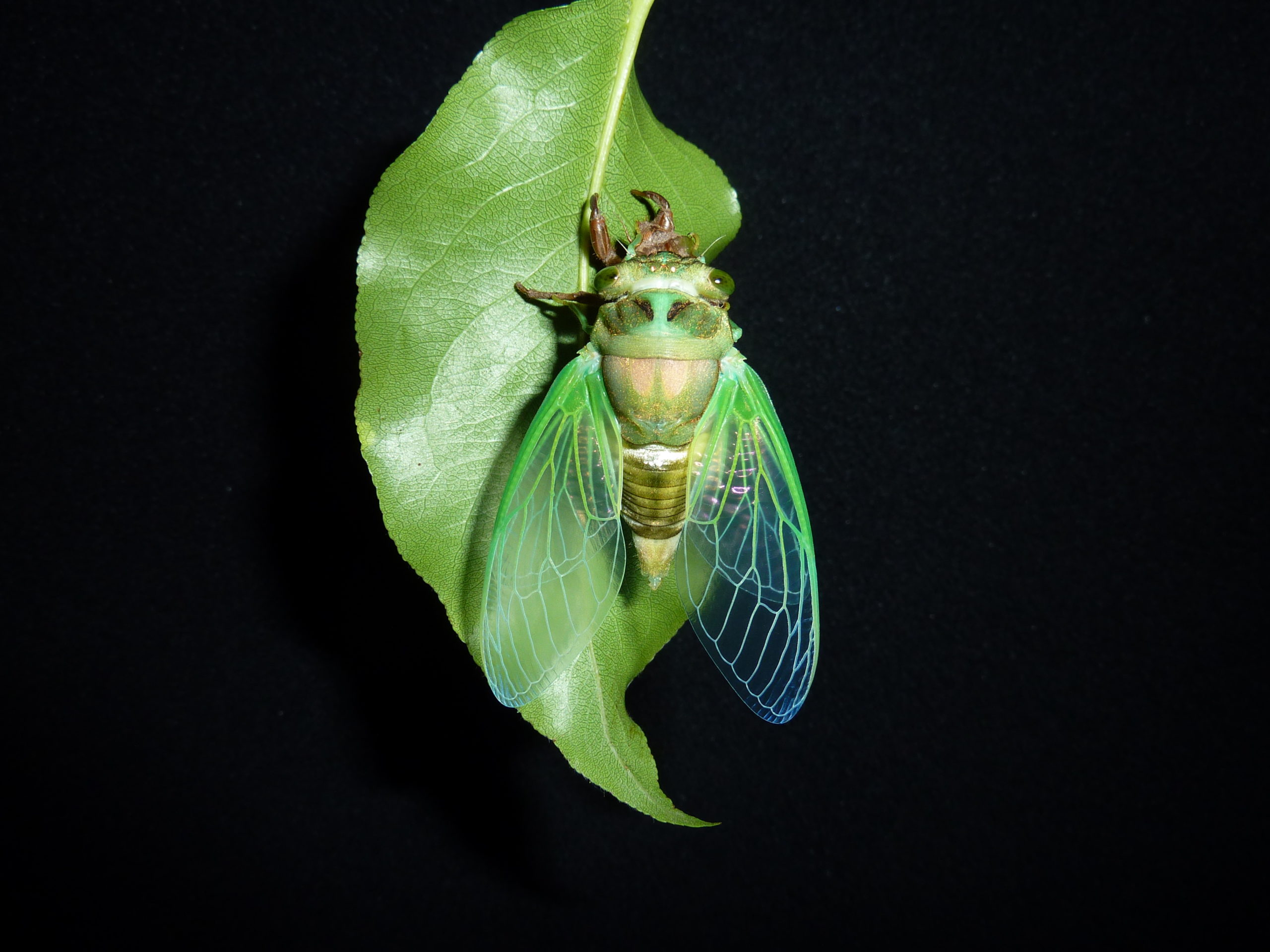
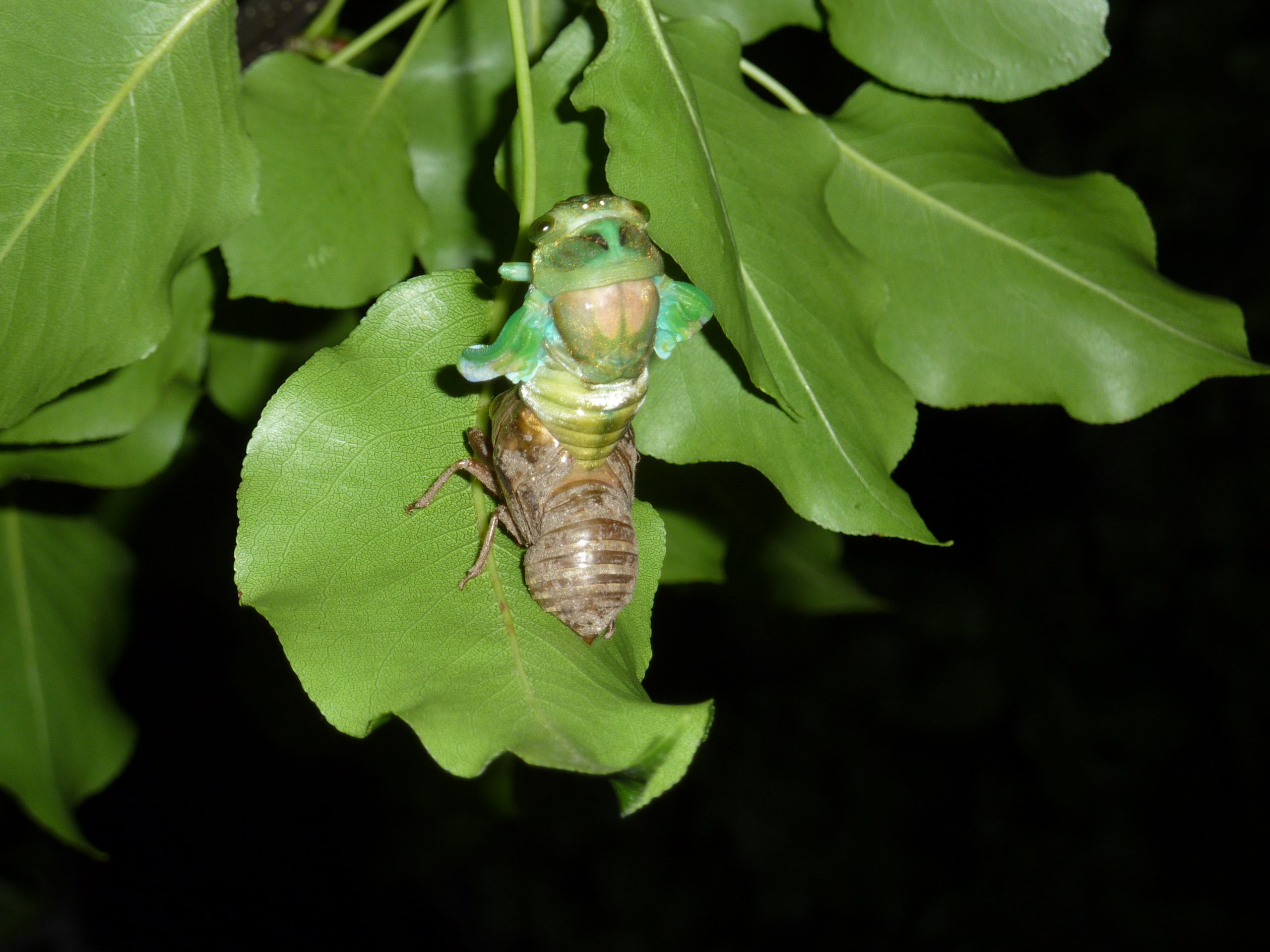
The trees near where I work are chocked full of Tibicen tibicen cicadas (formerly known as T. chloromera, also known as Swamp cicadas).

Here is a short video featuring the call of a Tibicen tibicen that I recorded this morning:

Here’s a sound file of the cicada’s song…

Categories
Annual Neotibicen

Neotibicen canicularis – Dog Star Rising

Mid-August is approaching, and the “Dog Days” of summer are almost here. Sirius (the Dog Star) and the constellation Canis Major will soon begin to appear in the early morning sky. Now is also the time that Tibicen canicularis, the Dog Day Day cicada, is also making its presence known in the U.S.A.

Edit: Dog-day cicadas (Neotibicen) are named for the time of year when the Dog-start Sirius first appears in the sky. Depending on where you are in the U.S., latitudinally speaking, Sirius should enter the pre-dawn sky between July 29th (Key West, FL) and August 15th (Bangor Maine) give or take a day.

This is a photo of a N. canicularis (Dog Day cicada) next to a T. davisi (Southern Dog Day cicada) by by Paul Krombholz:
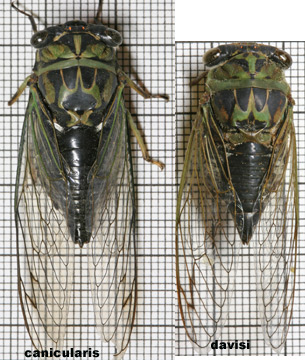
Neotibicen davisi & canicularis by Paul Krombholz

N. canicularis has a green pronotal collar, green markings on its pronotum, and at least some, if not all, orange colors on its mesonotum (where the M is on the cicada’s back). N. canicularis sounds like (to me at least) a circular saw buzzing through a plank in wood in a neighbor’s garage.

Imagine that you are a farmer waking just before dawn and seeing the first signs of Sirius, the Dog Star, and then later in the day, hearing N. canicularis singing away in the trees surrounding your fields. Those two signs signal that summer is reaching its peak, and harvest will start soon enough.

N. canicularis can be found in the following states and provinces: AR, CT, DC, IL, IN, IA, KS, ME, MB, MD, MA, MI, MN, MO, NE, NB, NH, NJ, NY, NC, ND, NS, OH, ON, PA, PE, QC, RI, SC, SD, TN, VT, VA, WV, WI.

Here is a screen capture of the computer app Stellarium, with Canis Major and Sirius rising above the horizon before dawn.

Sirius rising

If you’re interested in stars, check out Stellarium. It is free.

Visit the Songs of Insects site for a nice photo and sound file of the Dog Day cicada. Also by their book Songs of Insects – it is inexpensive and comes with a CD.
Categories
Cacama Neocicada Neotibicen Okanagana Platypedia

Various cicada species emerging in the United States

Brood I Magicicada periodical cicadas continue to emerge in VA, WA and TN. Magicicada stragglers belonging to other broods, continue to emerge as well.

Neocicada hieroglyphica are around as well, particularly in Florida [link goes to image].

Neocicada hieroglyphica by Joe Green, 2007
Neocicada hieroglyphica by Joe Green, 2007.

Cicadas belonging to the genus Cacama (Cactus Dodgers), including the Cacama valvata are emerging in south-western states like New Mexico and Arizona [link goes to image].

Cacama valvata cicada photos by Adam Fleishman

Cicadas belonging to the genus Tibicen are emerging in warmer areas of the United States. Joe Green found a Tibicen tibicen (possibly Tibicen tibicen australis [see Insect Singers site for song and description]) in Florida. Tibicen superbus [image] are emerging in Southern states as well.

Neotibicen superbus from Texas photo by Roy Troutman
Neotibicen superbus from Texas photo by Roy Troutman.

Cicadas belonging to the genus Platypedia are emerging in Califorina [link goes to image]. See also Hello, my tree is clicking.

Cicadas belonging to the genus Okanagana are emerging in California [link goes to image].

Categories
Elias Bonaros Neotibicen

Neotibicen tibicen photos from Elias Bonaros

Elias was kind enough to send us Neotibicen tibicen photos he took in 2009.

Click the images for larger versions:

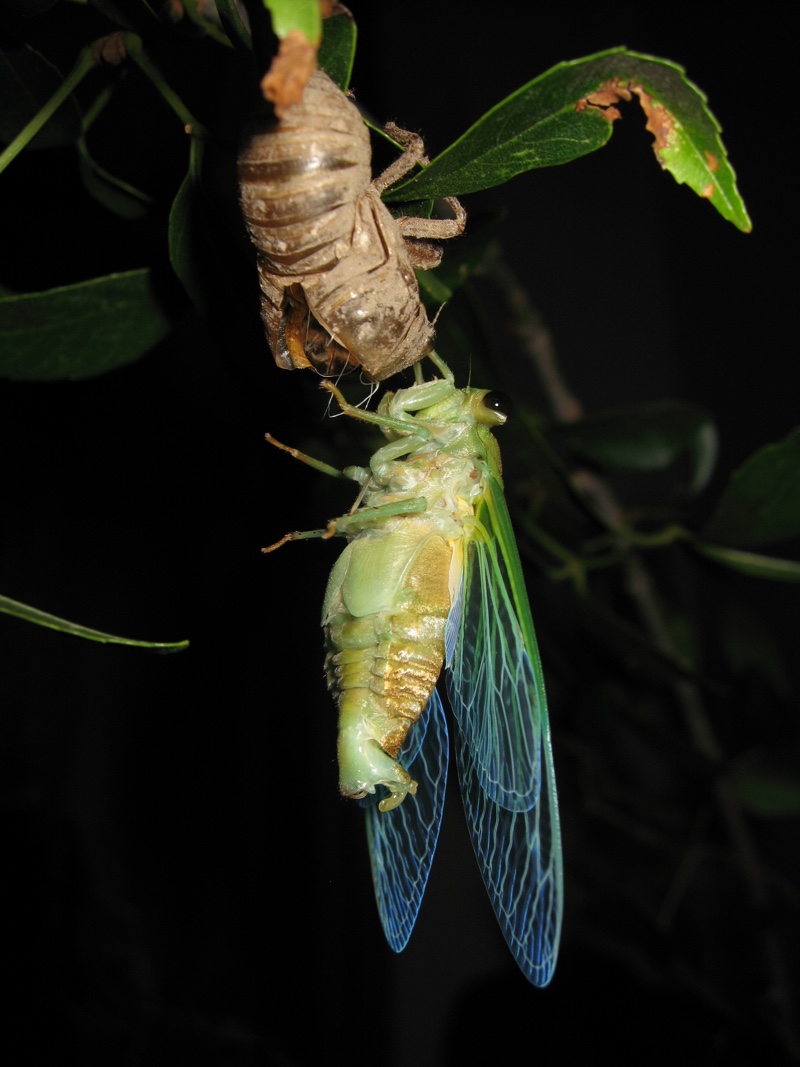
Female teneral Neotibicen tibicen by Elias Bonaros:
Female teneral Neotibicen tibicen by Elias Bonaros

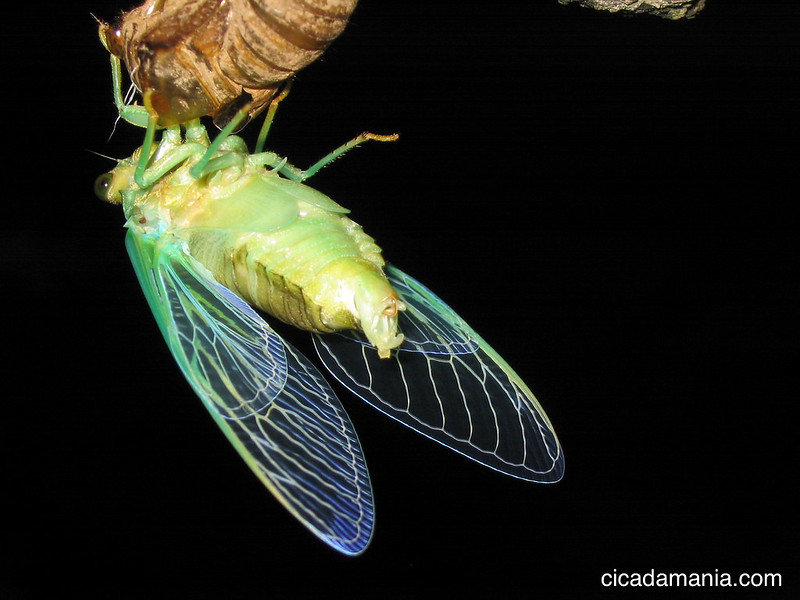
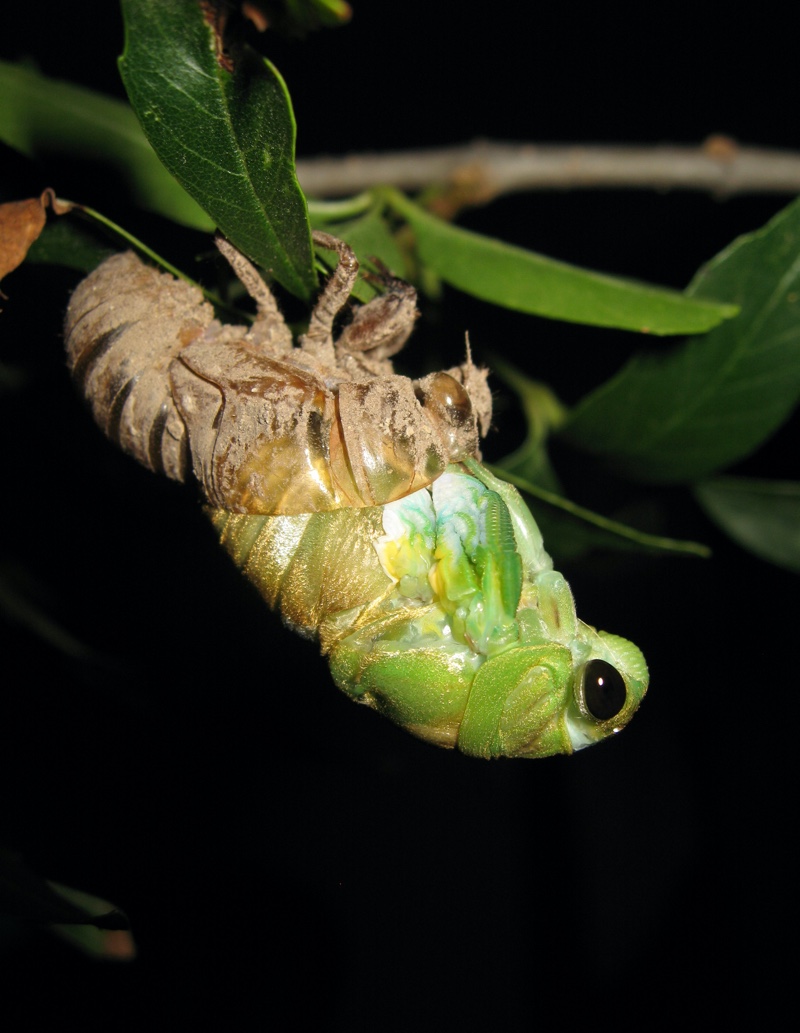
Molting Neotibicen tibicen by Elias Bonaros:
Molting Neotibicen tibicen by Elias Bonaros

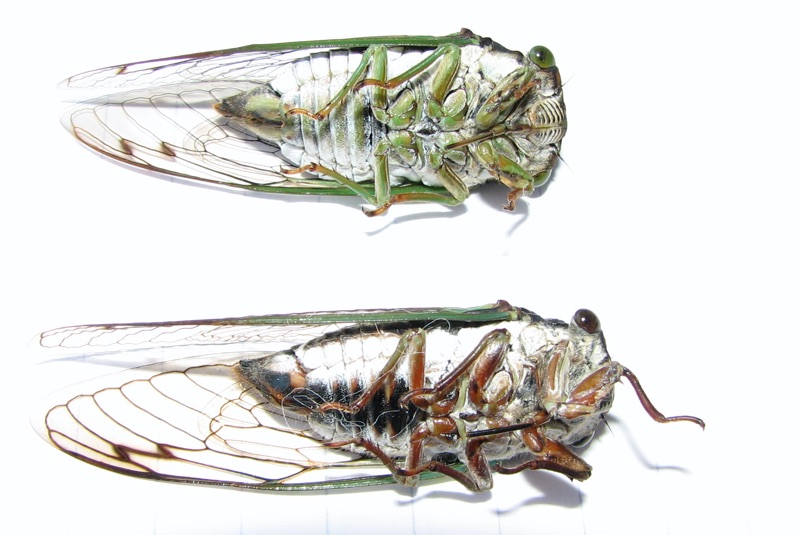
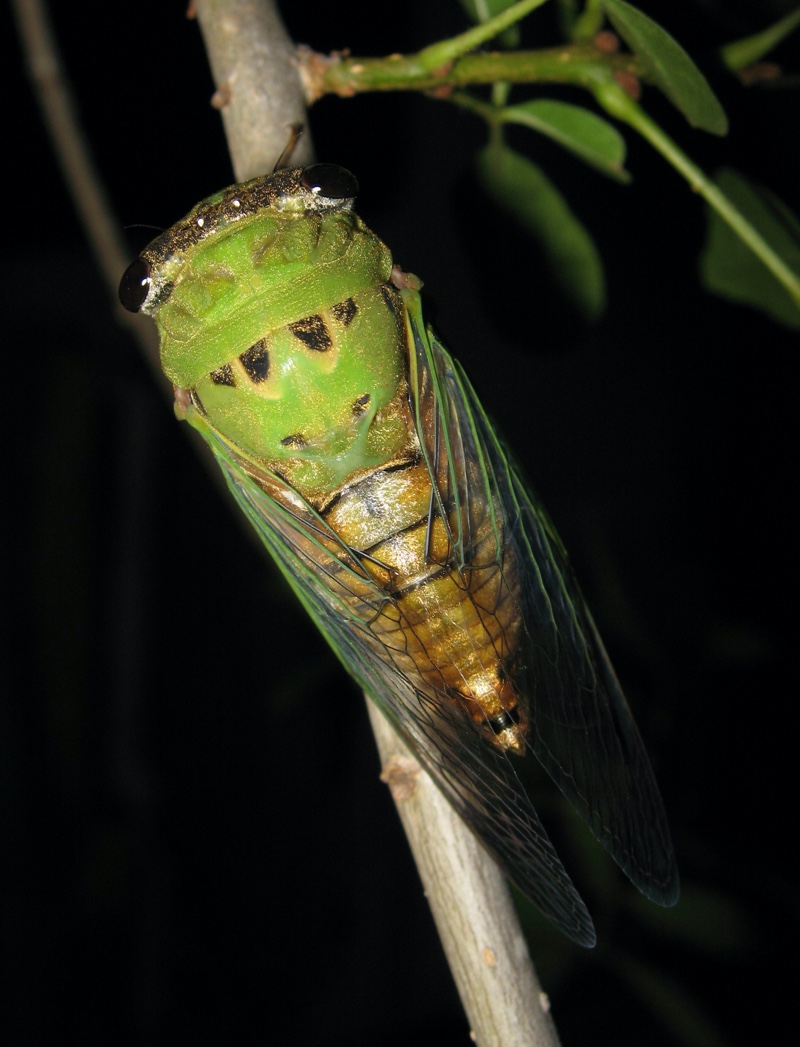
Neotibicen tibicen by Elias Bonaros:
Neotibicen tibicen by Elias Bonaros

Categories
Neotibicen Tibicen

Tibicen tibicen

The first time I saw the Genus and species name for this cicada, it was called a Tibicen chloromera:

Tibicen cholormera Cicada by CicadaMania.com

Then its name changed to Tibicen chloromerus, so the gender of the Genus and species name would be in agreement (or so I believe).

Now, this cicada is simply Tibicen tibicen. To read more about why, you’ll need to read Entomological News, Volume 119 Issue 3, “The Identity Of Cicada tibicen Linné [=Tibicen chloromerus (Walker, 1850)] (Hemiptera: Cicadoidea: Cicadidae) no access”.

Here is the abstract:

A lectotype is designated for Cicada tibicen Linné, 1758. The Linnaean specimen located in the Zoological Museum of Uppsala University can be traced to Linné and the original species description. The species is determined to be the same as what is currently recognized as Tibicen chloromerus (Walker, 1850), making T. chloromerus and Cicada sayi Smith and Grossbeck, 1907, junior synonyms of Tibicen tibicen (L.).

Of course you can call it Swamp Cicada, Morning Cicada, or Green Annual Cicada (from Bug Guide). It doesn’t care.

makingentomologistscringe

Now do I update all instances of “Tibicen chloromera” on this site, or not. Hmmm….

Categories
Neotibicen

Time for the yearly Neotibicen post

The Tibicen is the genus of annual cicada most people are familiar with.

Lyric and Swamp Cicada

Here are some general details about Tibicen:

  • They emerge every summer. They do not emerge in broods.
  • They emerge in small numbers (small relative to periodical cicadas).
  • They are timid and elusive compared to periodical cicadas.
  • Most are physically larger than periodical cicadas.
  • They are well camouflaged: their colors and patterns of colors help to hide them in their surroundings. They look like little military vehicles, IMHO.
  • Colloquial names for Tibicens: August Dry Birds, Dog Day cicadas, Harvest Flies, Jar Flies, Bush Cicada (Tibicen dorsatus, formerly T. dorsata)

Swamp cicada

Some cool Tibicen posts and pages you should check out:

An image from Roy Troutman:

Tibicen fresh out the shell

Tibicen tibicen (T. chloromerus, T. chloromera)

Tibicen cholormera Cicada by CicadaMania.com

Categories
Neotibicen Roy Troutman Tacuini (Cryptotympanini)

Superb Neotibicen superbus (formerly T. superba)

Roy Troutman took some excellent Tibicen superbus (formerly T. superba) photos while visiting Texas.

Molted Neotibicen superbus from Texas photo by Roy Troutman

Molting Neotibicen superbus from Texas photo by Roy Troutman

Neotibicen superbus from Texas photo by Roy Troutman 2

Neotibicen superbus from Texas photo by Roy Troutman

Categories
Adam Fleishman Neotibicen Tacuini (Cryptotympanini)

New Cicada Photos from Adam Fleishman / ID this cicada

Here’s some new photos from photographer and cicada enthusiast Adam Fleishman. As always, they’re great photos. If you can help ID the first two photos, we’d appreciate it.

Neotibicen dealbatus:

Tibicen

Neotibicen dealbatus:

Tibicen

Neotibicen dorsatus (formerly T.dorsata):

T. dorsatus (formerly T.dorsata)

T. dorsata

Neotibicen superbus (formerly T. superba)

T. superba

Visit Adam’s website Cometmoth Sight and Sound

Categories
Megatibicen Neotibicen Tibicen

ID the Tibicen

Brian Baldwin sent over some cicada photos for an ID. Here’s my guesses (below). If you have a more accurate guess, post it in the Comments.

Megatibicen dorsatus (formerly T. dorsata):

Megatibicen dorsatus by Brian Baldwin

At first I thought T. walkeri, but now I’m leaning towards Brain’s guess of N. superbus. This would be the first superbus with a brown mesonotum that I’ve ever seen.:

Brian Baldwin's Neotibicen superbus

Megatibicen dealbatus (formerly dealbata):

Megatibicen dealbatus by Brian Baldwin

Categories
Neotibicen Tibicen

Tibicens

I snagged a couple of Tibicen today.

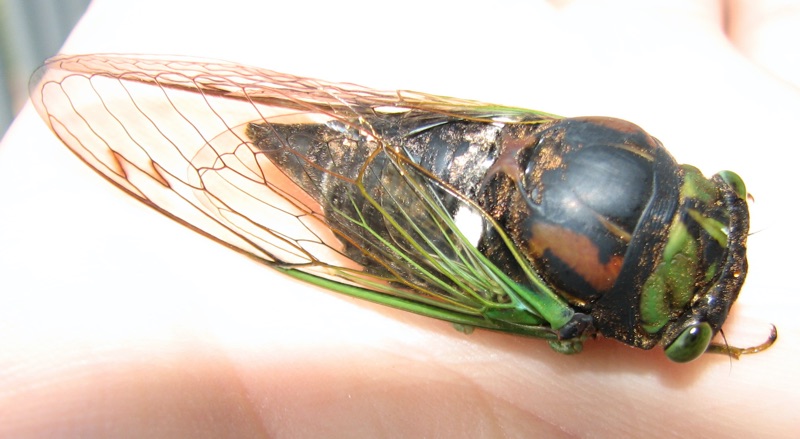
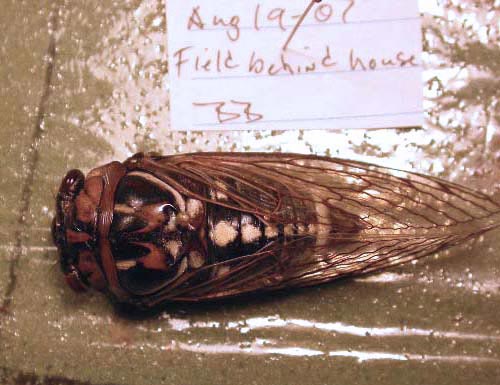
A colorful Tibicen tibicen (T. chloromerus, T. chloromera):

Neotibicen tibicen

and a, um… lyricen, maybe (I’ve never seen one quite like this):

Neotibicen lyricen

They were still moving a little when I took the photos.